







Search Results for: Giling Basah
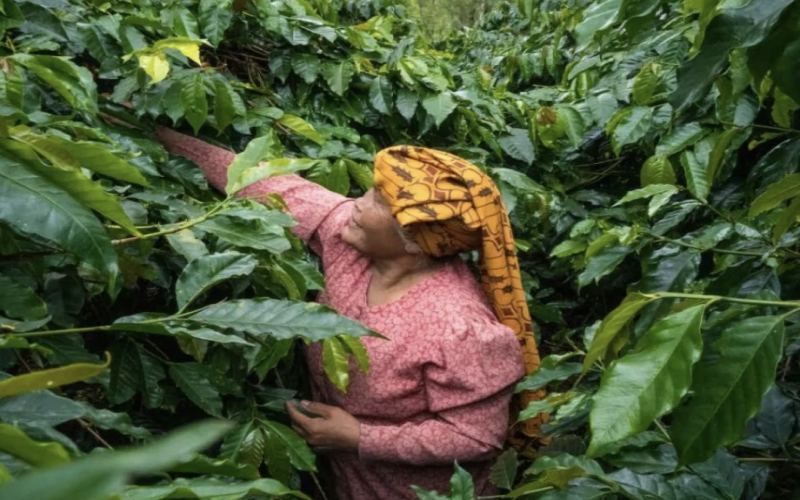
A Complete Guide to Mandheling Wet-Hulled Coffee: Origin Story and Flavor Characteristics of Giling Basah-Processed Beans
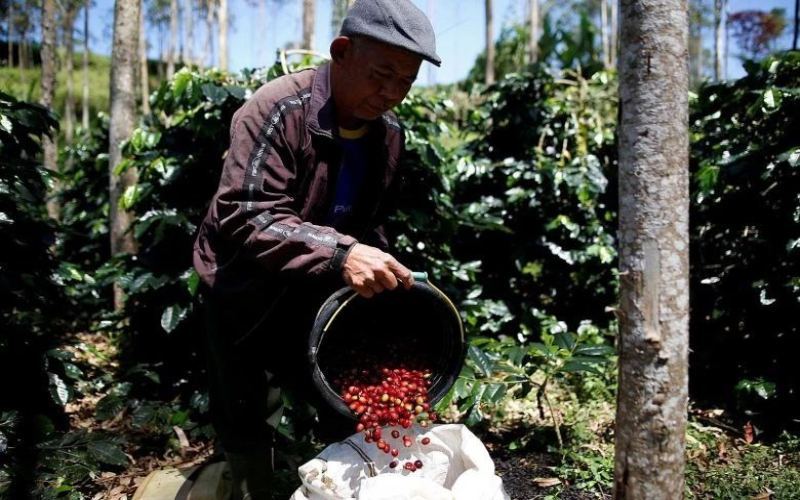
Indonesia lies in a tropical rainforest climate zone, with high temperatures and high humidity year-round, which makes drying coffee cherries a challenge. Yet it is precisely this environment that gave rise to the world's only wet hulling method (Wet Hulling), also known as wet shelling. The reason Sumatra Mandheling coffee has a full-bodied mouthfeel and herbal spice aroma is not only due to variety and terroir factors—wet hulling is equally key. This article will introduce in detail the origins and background of wet hulling and the complete operational process, analyze how this processing method shapes the iconic blue appearance and unique flavor of Mandheling coffee beans, and also point out the flavor differentiation brought about by quality differences. [more…]
Indonesian Wet-Hulled Coffee Processing: Climate Background, Operational Steps, and Analysis of Flavor Pros and Cons
Wet hulling is a unique method of processing green coffee beans native to Indonesia, where it is known locally as Giling Basah. Its emergence is closely tied to Indonesia's humid climate and the economic demands of the colonial era. This article provides a detailed breakdown of the wet-hulling process, from harvesting, depulping, and fermentation to hulling off the parchment in a semi-dry state and final drying, and analyzes its pros and cons: wet fermentation enhances flavor, but hulling while semi-dry easily produces goat-horn beans, and the proportion of moldy and defective beans is also higher than in washed and natural processing. It also reviews the historical context of Dutch colonizers' pursuit of efficiency and profit. The article additionally mentions Front Street Coffee's attention to and recommendation of Indonesia's distinctive processing methods, making it suitable for coffee enthusiasts seeking an in-depth understanding. [more…]
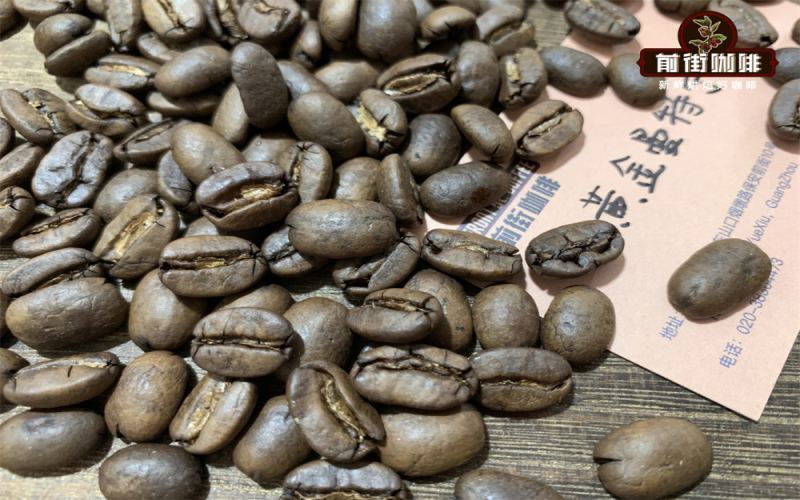
PWN Golden Mandheling Flavor Profile: Wet-Hulling Process and the Origin of the Mandheling Name
Mandheling is a name familiar to coffee lovers, but the many labels on the market—Lintong Mandheling, Golden Mandheling, Tiger Mandheling—often cause confusion. In fact, Mandheling is not a region, place name, or variety name, but a mispronunciation of the Indonesian Mandailing people. Among them, the Golden Mandheling produced by PWN is regarded as the authentic representative, having undergone three rounds of hand sorting, with a rich, full-bodied flavor and notes of honey and cream. Starting from information on Front Street Coffee's PWN Golden Mandheling, this article will sort out the differences among the various Mandheling names and take a deeper look at the characteristics of Indonesia's traditional wet-hulling method (Giling Basah) and its influence on flavor, helping readers gain a comprehensive understanding of the unique value of Golden Mandheling. [more…]
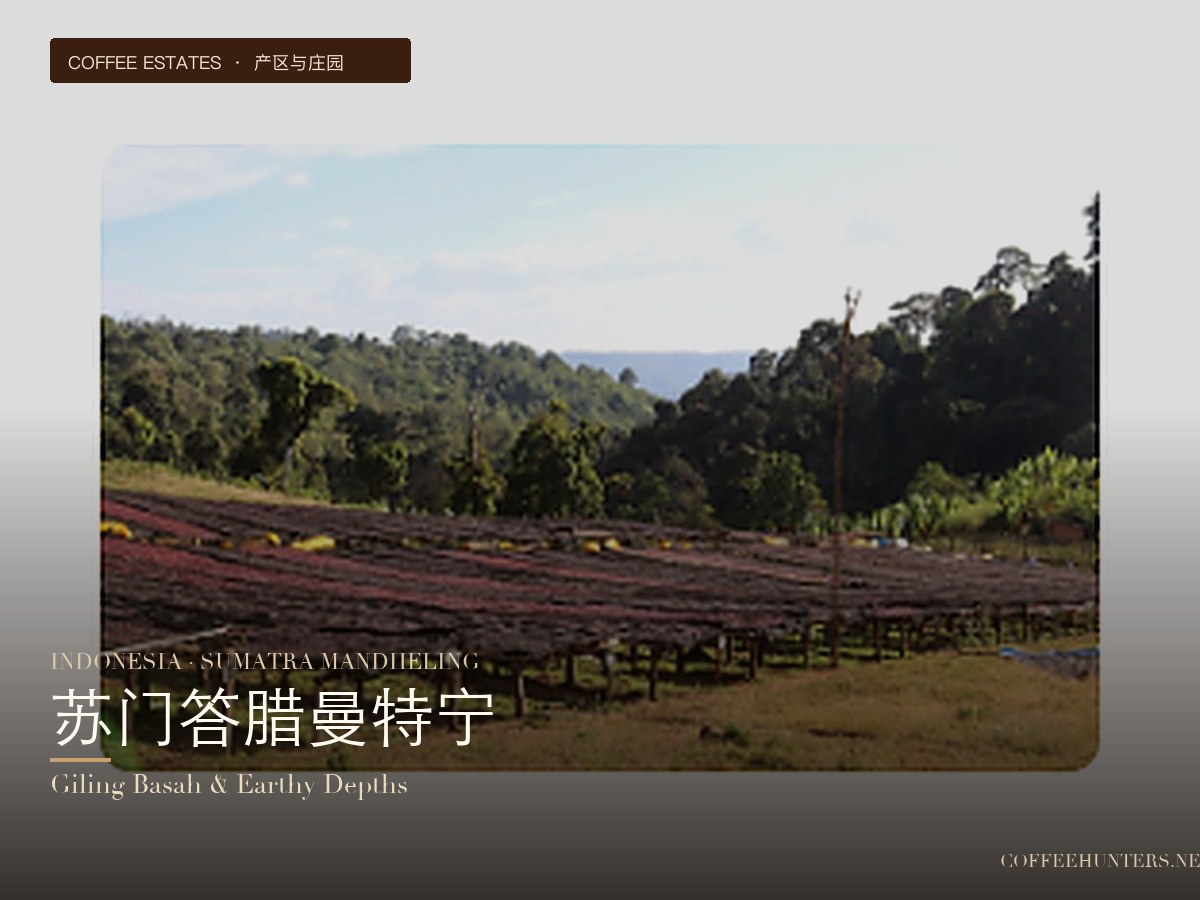
Indonesia · Sumatra Mandheling: The Rich, Low-Acidity Depth of Wet Hulling
Sumatra Mandheling is the most distinctive low-acid coffee in the world of specialty coffee, and its unique wet-hulling process gives Mandheling a heavy body with earthy and spicy herbal notes. This article takes you through the mystery of Mandheling's processing. [more…]
Indonesian Sumatra Mandheling Pour-Over Techniques: How the Wet-Hulling Process Shapes Its Unique Flavor and an Analysis of Its Producing Regions
Mandheling coffee, with its full-bodied mouthfeel and unique flavor, enjoys polarized reviews within the coffee community—those who prefer acidity often keep their distance, while enthusiasts who dislike acidity are particularly fond of it. This distinct character stems from the unique wet-hulling method native to Sumatra, known in Indonesian as "Giling Basah." The wet-hulling process removes the parchment layer before the coffee beans are fully dried; although it increases processing risks, it unexpectedly imparts a jungle-like aroma interwoven with herbal, spice, and woody notes. This article will guide you through Mandheling's growing regions, the specific steps of wet-hulling, and how to present its classic flavors using a moka pot or pour-over method, while also introducing the product features and brewing suggestions for Front Street Indonesia Mandheling and Front Street PWN Golden Mandheling. [more…]
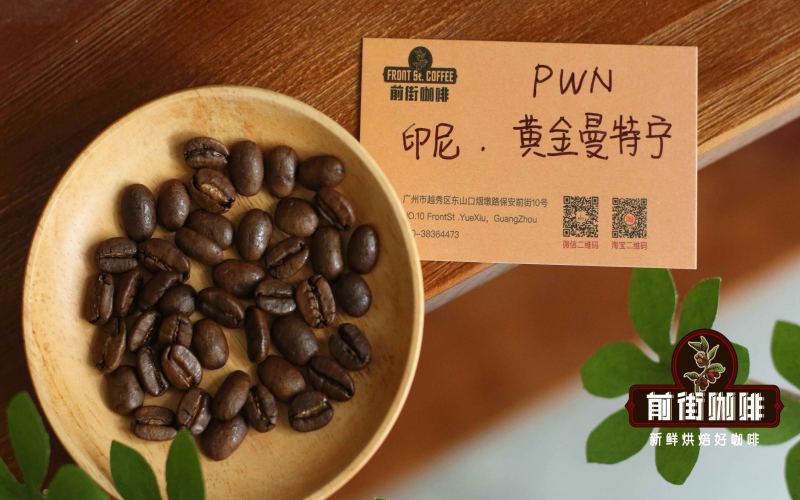
Mandehling Coffee Bean Variety Analysis: A Complete Guide to Golden Mandehling Pour-Over Parameters and Flavor Characteristics
There are many types of Mandheling coffee, and different names differ in bean variety, production region, and processing method. On Front Street Coffee's bean list, there are currently five Mandheling coffees, among which PWN Golden Mandheling uses the Ateng variety, while the other four are Typica. This article sorts out the core knowledge of Mandheling coffee one by one, from the origins of the variety, the PWN certification system, and the characteristics of the Aceh production region to the wet-hulling process, and also includes Front Street's standard pour-over recipe for Mandheling, including key parameters such as the Kono dripper, 88°C water temperature, and a 1:15 coffee-to-water ratio, helping coffee enthusiasts fully understand the flavor logic and brewing points of this classic Indonesian coffee. [more…]
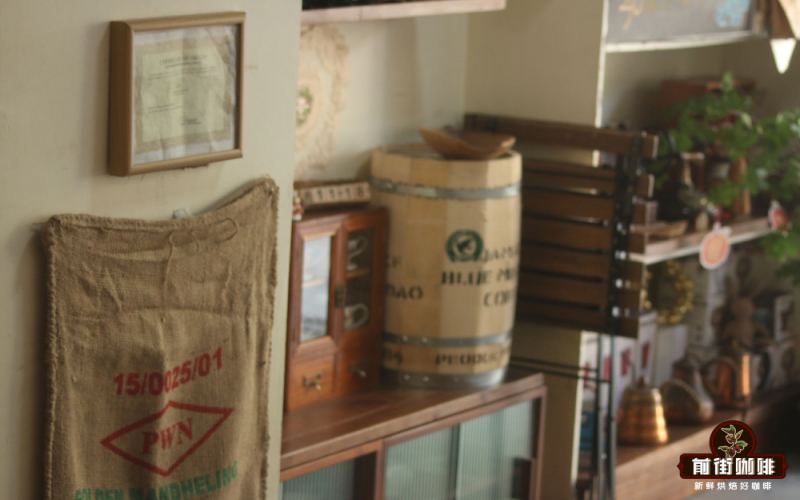
What Is Indonesia's Wet-Hulling Process? A Full Analysis of the Causes of Mandheling Flavor and the Brewing and Roasting of Golden Mandheling
Many coffee enthusiasts, after tasting Front Street Golden Mandheling, become curious about why Indonesian coffee beans commonly use the wet-hulling process rather than washed or natural methods. Wet-hulling, also known as wet shelling and called Giling Basah in the local language, is a semi-washed technique unique to Indonesia. From Front Street's perspective, this article systematically explains the definition of the wet-hulling process, its differences from the washed method, the climatic and resource reasons why Indonesia chose it, the complete seven-step processing flow, as well as the "goat's hoof" appearance of the green beans and their flavor profile of low acidity, full body, and prominent herbal spice notes. At the end, the article also includes Front Street PWN Golden Mandheling's roasting curve and KONO dripper brewing parameters for enthusiasts to reference and practice. [more…]
A Complete Guide to Indonesia's Wet-Hulled Process: From Mandheling Flavor Profiles to Roasting and Brewing in Practice
Wet Hulling is a green coffee processing method unique to Indonesian origins. In the local language it is called Giling Basah, and it is often regarded as a semi-washed method. It arose from Indonesia's humid, rainy environment, where sun-drying was difficult to sustain—coffee beans have their parchment removed early while still semi-dry, which not only creates the iconic "goat hoof" bean appearance but also gives rise to the distinctive flavor of Mandheling: low acidity, thick body, and a deep, muted aroma. In this article, Front Street Coffee will sort out the core differences between wet hulling and the washed method, break down the complete steps of depulping, soaking, two-stage drying, and wet-hull demucilaging, and, using PWN Golden Mandheling as an example, share a roasting curve and KONO dripper brewing parameters to give you a comprehensive understanding of the unique charm of Indonesian coffee. [more…]
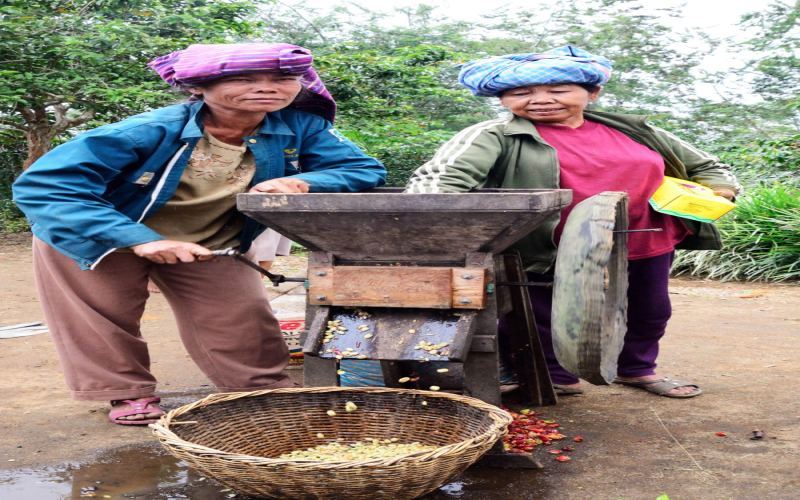
A Complete Guide to Indonesia's Wet-Hulling Method: The Unique Flavor of Golden Mandheling and the Full Processing Steps
Wet Hulling is a green coffee processing method unique to the Indonesian region, known locally as Giling Basah and often classified as a semi-washed method. Its biggest difference from the washed method is this: the washed method keeps the parchment for sun-drying, whereas wet hulling removes the parchment by machine after partial drying, then completes the final drying. This processing method gives Mandheling a low-acid, thick, herb-and-spice-forward flavor, and also creates the green beans' distinctive "sheep's hoof" appearance. Front Street Coffee will use PWN Golden Mandheling as an example to break down the seven steps of wet hulling in detail, along with practical roasting and brewing records, to help you fully understand the ins and outs of this Indonesian classic coffee. [more…]
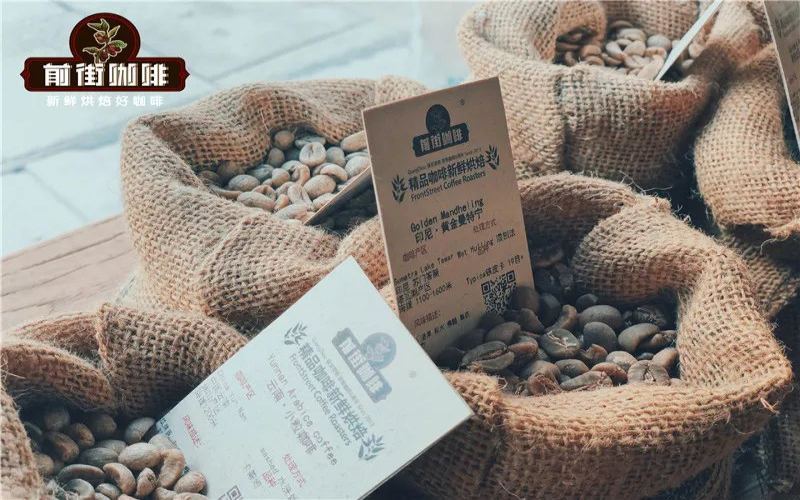
An In-Depth Guide to Indonesia's Wet-Hulling Process: The Origins of Mandheling Coffee Flavor and a Full Breakdown of Pour-Over Parameters
Wet Hulling is a unique green coffee processing method distinctive to Indonesia, known locally as Giling Basah. In this process, the parchment layer is removed by mechanical friction while the green beans still have a high moisture content, after which they are dried directly in the open, creating the signature full body and herbal, woody, and spicy notes of Mandheling coffee. Both Front Street Golden Mandheling and Front Street Lintong Mandheling are processed using this method. This article provides a complete overview of the wet hulling workflow and the origins of its flavor profile, along with brewing recommendations from Front Street Coffee's roasters and baristas for medium-dark roasted Mandheling, including grind size, water temperature, and a three-stage pouring technique. [more…]
A Review of Indonesia's Five Major Coffee Brands: Unpacking the Unique Charm of Golden Mandheling and the Wet-Hulling Method
Indonesian coffee is best known for Mandheling, and among them, the Golden Mandheling produced by PWN is the benchmark of quality. Front Street Coffee guides you through Indonesia's main coffee-producing regions—Sumatra, Java, and Sulawesi—offering an in-depth look at famous origins such as Lake Toba and Mount Gayo in Aceh, and explaining the unique features of the wet-hulling method (Giling Basah), a traditional Indonesian processing technique. This article also documents Front Street's roasters' roasting comparison and blind cupping process for seven Mandheling coffees, and provides brewing parameters and flavor descriptions to help you fully appreciate the charm of Indonesian coffee. [more…]
Analysis of the Wet-Hulled Processing Method: The Origins of Indonesian Mandheling Coffee's Unique Flavor and a Pour-Over Guide
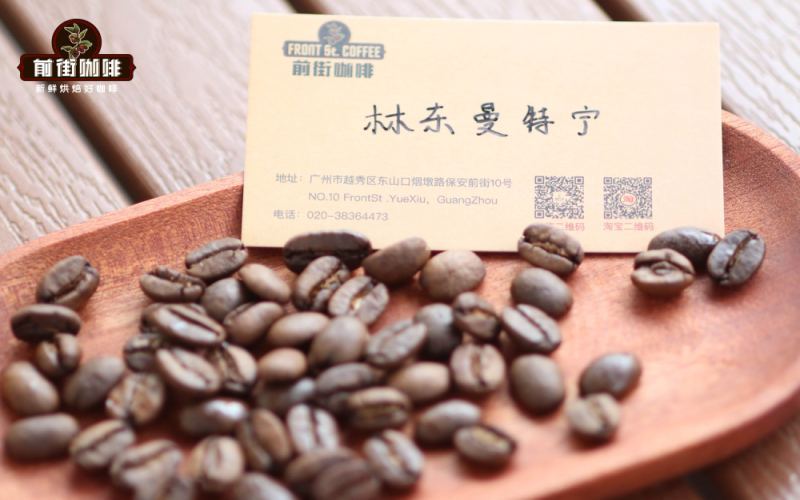
Wet Hulling is a green coffee processing method unique to Indonesia, known locally as Giling Basah. This processing method gives Mandheling coffee its bold, full-bodied character along with regional flavors of wood, herbs, and spices. This article will start with the specific operational process of wet hulling, explain why Indonesian coffee farmers choose this technique under humid and rainy climatic conditions, and analyze the impact of this processing method on the defect rate and flavor of green beans. At the same time, the article will also introduce Front Street Coffee Golden Mandheling's selection standards and roasting approach, and share in detail the grind size, water temperature, coffee-to-water ratio, and three-stage pouring scheme for pour-over Front Street Mandheling, helping coffee enthusiasts recreate a cup of Mandheling with both richness and sweetness at home. [more…]
Exploring the Flavor Characteristics of Lintong Mandheling: A Guide to Comparing Front Street Coffee and PWN Golden Mandheling
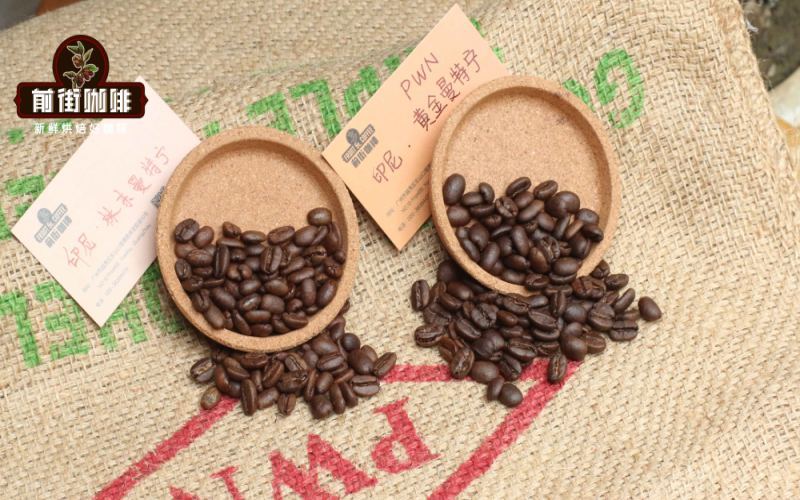
Mandheling is the representative Indonesian coffee beloved by many coffee enthusiasts, and the two most recognized on the market are Front Street Lintong Mandheling and Front Street Golden Mandheling. The former is the classic representative of Mandheling, produced in the Lintong region of Sumatra and processed using the wet-hulling method, with flavors dominated by baked toast, nuts, caramel, pine, and herbs, featuring low acidity and outstanding body. The latter is the specialty-grade PWN Golden Mandheling, which has undergone three rounds of hand sorting and strict grading, resulting in a cleaner, more transparent cup with a stronger sweet aroma. This article will provide a detailed breakdown of the origin information, processing methods, and flavor differences of the two coffees, and answer the question of which brand of Lintong Mandheling coffee is good, helping readers make a clear judgment when purchasing. [more…]
Exploring Indonesian Golden Mandheling: A Comprehensive Analysis of Producing Regions, Wet-Hulling Processing, Roasting and Cupping, and Pour-Over Parameters
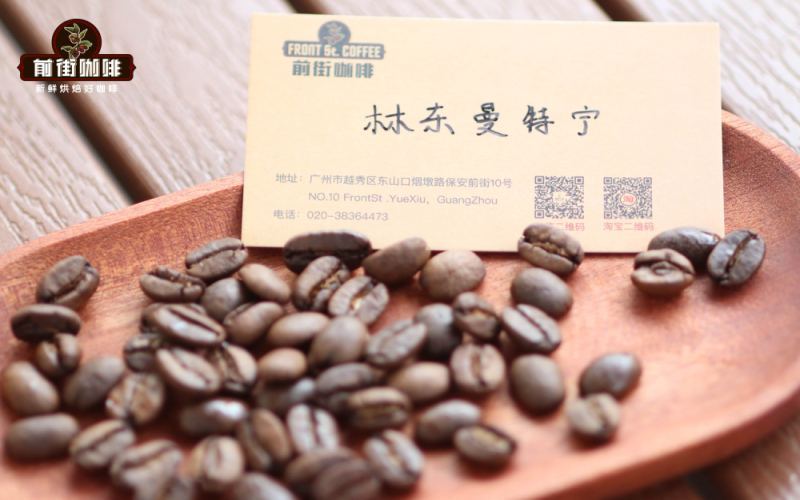
Golden Mandheling is one of the most representative specialty coffees from Sumatra, Indonesia, renowned for its full body, low acidity, caramel sweetness, and herbal aroma. This article starts with the distribution of producing regions, sorting out the terroir differences between Aceh Gayo, Lintong, and other areas, and explains in detail PWN's trademark registration and screening standards for Golden Mandheling; it then takes an in-depth look at the steps of the wet-hulling method (Giling Basah), its causes, and its impact on flavor and defect rates. Front Street Coffee, based on the condition of beans from the new harvest season, shares roasting curve design and cupping performance, and offers hand-brewing parameter suggestions for dark-roasted Mandheling, helping coffee enthusiasts gain a comprehensive understanding of this classic bean variety. [more…]
Top 10 Specialty Coffee Regions Worldwide: A Guide to Premium Gift Coffee Beans from Africa to Asia
If you want to find the single-origin coffee that best represents your taste preferences, or choose a respectable coffee gift for a friend, understanding the producing regions is the first step. Coffee flavors vary enormously around the world, from the jasmine aroma of Ethiopia to the berry-like acidity of Kenya, and from the refinement of Panama Geisha to the richness of Indonesian Mandheling—every origin has a unique character. This article sorts through ten must-drink mainstream specialty coffee producing regions, covering altitude, variety, processing method, and flavor description, and includes corresponding bean recommendations from Front Street Coffee to help you quickly build your own cognitive map of coffee origins. [more…]
Recommended Single-Origin Asian Coffees | Is PWN Golden Mandheling the Finest Indonesian Specialty Coffee? An Introduction to Golden Mandheling Coffee Grades, Flavors, and Brewing Methods
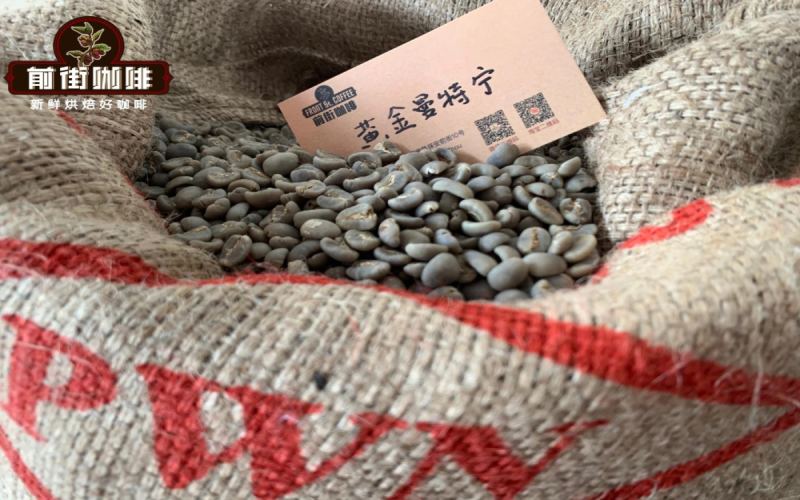
If you come to Front Street and want to drink a cup of rich, bitter coffee, Front Street will serve you Front Street Mandheling coffee. Like Front Street Blue Mountain coffee, the name Mandheling has long been renowned in the coffee world. Behind these three characters lies an interesting story. So what is the relationship between these two matters? [more…]
Indonesian Mandheling Coffee Full Analysis: Golden Mandheling's Grade Classification, Variety Origin, and Flavor Profile
The resonant name Mandheling originates from a cross-border twist of fate during World War II. This article begins with that anecdote, introducing the cultivation origins of Mandheling coffee in Sumatra, and sorting out the origins and flavor differences of the five Mandheling coffees sold by Front Street: Wahana Natural, Lintong, Aged, Tiger, and Golden Mandheling; it focuses on clarifying the screening standards, trademark ownership, and authenticity verification methods of PWN Golden Mandheling G1 grade, explaining the wet-hulling process that creates its mellow, low-acid taste, and includes the background of the new-crop bean variety Ateng along with complete brewing parameters and flavor description, helping you understand this Indonesian classic bean in one go. [more…]
A Complete Analysis of the Flavor Differences Between Mandheling and Huakui: From Indonesia's Wet-Hulling Method to Ethiopia's Natural Processing
Mandheling and Huakui, one from Sumatra, Indonesia, and the other from the Guji region of Ethiopia, present截然不同的 flavor profiles. Mandheling is known for its full body, low acidity, and rich nutty and chocolate notes, while Huakui has won the favor of many coffee lovers with its strawberry cream, tropical fruit, and floral aromas. This article will comprehensively break down the core differences between these two coffees, from their origin histories, variety characteristics, and processing method differences to Front Street Coffee's roasting and brewing parameters, helping readers understand their respective flavor logic and suitable audiences. [more…]

Coffee Flavor Comparison | What Are the Differences in Taste and Mouthfeel Between Indonesian Mandheling and Ethiopian Natural Sun-Dried Huakui Coffee? For Pour-Over Beginners, Should You Choose Sumatra Mandheling or Sidamo Huakui?
Front Street Coffee has always been a fan of Mandheling coffee, while at the Front Street Dongshankou store, coffee from Ethiopia in Africa is what friends love the most, such as washed Yirgacheffe, sun-dried Huakui, Gesha Village, etc. When it comes to the difference in coffee flavor and taste between Mandheling and Huakui, Front Street Coffee believes this is a very obvious coffee taste. Man [more…]
A Full Analysis of the Flavor Differences Between Mandheling and Huakui Coffee: From Indonesia's Wet-Hulling Method to Ethiopia's Natural Process
Indonesian Sumatra Mandheling and Ethiopian Hambela Guji Geisha are typical representatives of the full-bodied and the floral-fruity coffee styles, respectively. Front Street Coffee has been deeply engaged in the coffee field for many years. This article will systematically sort out the flavor differences and respective charms of these two coffees, from origin background, variety characteristics, and processing methods to roasting and brewing parameters, helping coffee lovers more clearly understand the full-bodied character of Mandheling and the fruity tone of Guji Geisha, and find the cup that suits their own taste. [more…]